
Tags:
Share this page:
How Much Does a Website Cost in the UK in 2026?
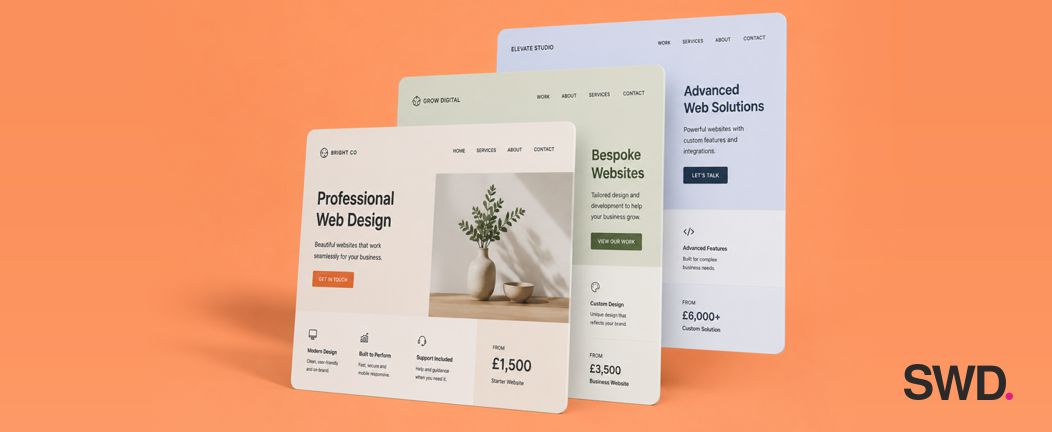
Website design costs in the UK can range from a few hundred pounds to tens of thousands, depending on the scope of the project and the provider you choose. We explain the main price ranges in 2026, show what you might expect at different budget levels and cover the key points to check when comparing quotes.
The difficult part is that two websites with the same number of pages can have very different prices. One may use an existing layout and supplied text, another may require detailed planning, rewritten content, custom page designs and a stronger search engine optimisation setup. Both could be described as five-page websites, yet the amount of work involved would be very different.
The type of provider also affects the cost. A freelance designer working alone will usually charge less than an agency with account managers, designers and developers. A large London agency may charge considerably more than a smaller studio elsewhere in the UK, even when the final website serves a similar purpose. We look at typical website costs in the UK during 2026 and explain what those figures may mean for different types of projects.
Typical website design costs in the UK
The price of a website can vary a great deal, so it is more useful to think in broad budget bands than fixed figures. At the lowest end, a DIY website builder may cost nothing upfront or a few hundred pounds once platform fees and paid extras are included. This route usually suits someone who is willing to do most of the work themselves.
A basic freelancer website often falls between £500 and £2,500. This may be enough for a simple brochure site when the content is ready and the design does not need much custom work.
Specialist freelancers and smaller studios often charge between £1,500 and £6,000. This is a common range for small organisations that want a website with more thought behind it, along with some help planning the structure or developing the content.
A small agency brochure website may cost between £3,000 and £8,000. The higher price often comes from the additional work involved, along with more support and time allowed for revisions.
London agency pricing tends to start higher. A standard brochure website may cost from around £4,500 to £10,000 or more, depending on the level of work involved.
Ecommerce websites usually start at around £5,000 and can reach £25,000 or more when there are many products or more complex systems to integrate.
Bespoke websites sit at the top of the market. Projects involving custom portals or specialist software may begin around £15,000 and can go well beyond £100,000.
The price ranges cross over because each provider includes different things in their quote. A lower-priced project can still be a good fit for a tightly defined job, while a higher quote may already cover work that another provider would charge for as an extra.
Why website prices vary so much
A website is rarely priced according to page count alone. The provider needs to understand what the website is expected to do. A site that simply gives visitors basic information will usually require less work than one designed to bring in enquiries from Google. Content also has a major effect on cost. A project is cheaper when the client supplies finished text and suitable images in the correct format. The price increases when the designer needs to plan the content or source visual material.
The same applies to functionality. A contact form is relatively simple. A booking system with payments and automated emails involves more setup and testing.
Revision time can also affect the quote. Some providers include one or two rounds of changes. Others allow a longer review process, which can be useful when several people need to approve the website.
What can you get for less than £1,000?
A budget below £1,000 usually points towards a DIY website builder or a basic freelance service. This can work well for a small personal website or a new venture that only needs a simple online presence. For example, a self-employed tutor may need a homepage, an about page and a contact form. The tutor already has the text and is happy to use an existing design. A freelancer may be able to complete that type of project within a limited budget.
A personal portfolio can also fit within this range. A photographer may use Squarespace or Wix to upload a selection of work and add basic contact information. The main cost may come from the platform subscription rather than the design itself.
The main limitation is time. Lower-cost projects usually depend on the client supplying the content and making decisions quickly. There may also be less support once the website has launched. A cheaper website is not automatically a poor website. It needs to be judged against its purpose.
A simple website that presents a person or organisation well can be perfectly suitable. Problems tend to appear when a low-cost package is expected to provide detailed planning, original design work and ongoing search visibility.
What can you get for £1,500 to £3,500?
This is a common range for a small brochure website built by a freelancer or specialist studio. A sole trader may need a professional website that explains their services and gives visitors a reliable way to get in touch. The project might include a homepage, a service page and a contact section, along with basic mobile optimisation. A local electrician is a useful example. The website may explain the areas covered and show a small amount of previous work. It may also include customer reviews and a simple enquiry form.
If the electrician supplies most of the text and photographs, the project may sit near the lower end of the range. If the provider helps organise the content and improve the wording, the cost may move higher.
This price range can also suit clubs and small charities. A community group may need to explain what it does and publish updates. It might also need a donation link or a simple form for volunteers. The cost will depend on how much information needs to be moved from an old website and whether staff require training.
For projects in this range, it is worth checking whether the quote includes content entry and mobile testing. These tasks can take a meaningful amount of time, especially when the client has many images or older pages to transfer.
What can you get for £3,000 to £8,000?
This range is common for established small businesses and organisations that want more input from the provider. The website may still be based on WordPress or another widely used platform, but the project normally includes more planning and more attention to how visitors move through the site. A professional services firm is a good example. An accountant may want separate pages for different services and locations. The website may need stronger wording and a proper structure for search engines. The provider may also help decide which services deserve their own pages and how the contact process should work.
A business in this position is paying for more than the finished layout. It is also paying for judgement. The provider may review competitors and advise on content before the build begins. They may also help remove unnecessary pages or reorganise existing information.
The same range could apply to a membership organisation with a large amount of content. The organisation may need a better navigation system and a simpler way to publish news. The final website might use familiar technology, but the planning stage could still require a significant amount of work. At this level, quotes often include more support after launch. That may involve training, technical checks and a short period for fixing issues.
Why London agencies often charge more
London website design prices tend to sit above much of the UK market. A brochure website that costs £3,000 to £6,000 from a regional provider may be quoted at £5,000 to £10,000 by a London agency. Higher office costs play a part, but market positioning also affects the price. London agencies often work with larger organisations that expect workshops, formal presentations and detailed project management. The final website may also involve several specialists. One person may lead the project while another handles design; development may be completed by a separate team. That structure can be useful for a large organisation with several decision makers; it can also add cost that a smaller client does not need. A London address does not guarantee a better result. A Sussex business may receive better value from a smaller provider outside the capital, especially when the website does not require complex systems. The right choice depends on how much support the organisation needs and how involved the approval process will be.
How much does an ecommerce website cost?
Ecommerce websites usually cost more because the website needs to handle products and payments. A small shop with a limited range may begin around £5,000, especially when the owner can supply product images and descriptions. The price rises when there are hundreds of products or different delivery rules. Connections with stock systems and accounting software can also add a great deal of work.
Consider a small clothing brand selling twenty products. The brand may use Shopify with a customised theme; the project could include product setup and payment configuration, along with basic delivery options. A larger retailer may need filtering and stock integration; it may also require customer accounts and automated order updates. Those requirements can move the project beyond £15,000.
Product content is another major cost. Uploading ten products is a very different job from preparing a catalogue of five hundred; images may need resizing, descriptions may need editing and product variations must be checked carefully. Ongoing platform charges should also be considered, Shopify and similar services charge monthly fees, while payment providers usually take a percentage of each sale.
How much does a bespoke website cost?
A bespoke website is usually built for a need that cannot be handled well by a standard website platform. Examples include customer portals and internal dashboards; a business may also need a quotation system or a secure area for documents. Projects of this kind often begin around £15,000 and can rise well beyond £100,000, the cost is driven by development time and testing.
A custom system may need different user permissions and connections with existing software, and security reviews may also be required. The planning stage is usually longer because the provider needs to understand how the system should behave in many situations. A bespoke project should have a written specification before development begins. Without that, expectations can change during the build and costs can rise quickly.
Website costs that may sit outside the main quote
The design and build fee is only part of the total cost, a domain name is usually inexpensive, often between £10 and £30 per year. Premium domain names can cost much more when someone already owns the address. Hosting can range from a few pounds per month to several hundred pounds per year, the right level depends on website traffic and the support included.
Business email may be charged separately, some providers include a limited number of email accounts, while others recommend Microsoft 365 or Google Workspace. Paid plugins may also carry annual charges, these can include booking tools and form systems, along with security or backup services. Photography is another possible cost, stock images may be suitable for some projects. A professional photographer is often better when the website needs to show people or premises. Copywriting may also sit outside the main build, a client can usually save money by providing finished text, but weak or disorganised content can still reduce the quality of the finished website.
What does website maintenance cost?
Website maintenance can range from a small monthly payment to several hundred pounds. A basic care package may cover software updates and backups, and a more involved service may include content changes and regular reviews. Some businesses prefer to pay for support only when needed, this can work when the website changes rarely and someone within the organisation is comfortable making small updates. Other organisations need ongoing help, for example, a charity may publish regular events and news; or a growing business may need new service pages as the company develops.
The maintenance arrangement should suit the actual amount of work required, it is also important to check what happens when something breaks. Some providers include technical support within the monthly fee. Others charge separately for every request.
How can two quotes for the same website be so different?
Quotes often look very different because the providers have made different assumptions. One quote may include content planning and page setup, another may assume the client will supply everything in finished form.
A lower quote may include fewer revisions or less support after launch; it may also use a ready-made design with limited changes, while a higher quote includes original design work. The best way to compare quotes is to look at what is included rather than focusing only on the total. Check who is writing the content and who is sourcing the images. Also confirm whether search engine setup and mobile testing are included.
You should also ask how changes are handled once the website has launched. A quote that looks more expensive may offer better value when it covers work that would otherwise be charged separately.
Should you use a freelancer or an agency?
A freelancer can be a good choice for a smaller project with one main decision maker. Communication is often direct because the same person handles most of the work. Costs may also be lower because there is less overhead.
An agency can be useful when the project needs several different skills or a more formal management process. The agency may have separate people for design and development, it may also have more capacity when deadlines are tight.
The size of the provider should match the size of the job. A small brochure website may not need a large agency team. A complex project with many stakeholders may be difficult for a single person to manage. Experience with similar projects is often more important than the number of people involved.
Is the cheapest website quote usually a bad idea?
The cheapest quote is not always the wrong choice. A basic website may be all that is needed for a personal project or a very small organisation. The important point is whether the quote covers the actual requirement. Problems appear when a low-cost service leaves important work to the client without explaining this in advance. The client may expect help with writing and discover that only the technical build is included, they may also find that future changes are difficult or expensive. A low quote can still be good value when the scope is limited and everyone understands what is included.
How much should a small business spend on a website?
There is no single figure that suits every small business. A new sole trader may begin with a simple website for less than £2,000. An established service business may spend £4,000 to £8,000 on a website because it needs to support regular enquiries. The level of investment should reflect the role the website plays. A business that wins most of its work through referrals may need a professional online presence that reassures potential clients. A business that depends on Google for leads may need stronger content and a broader page structure. The second website will normally cost more because it has a larger job to do.
How long does a website take to build?
A simple website may take a few weeks when the content is ready and one person can approve the work. A larger brochure website may take two to three months. Projects involving committees or several departments often take longer, delays are frequently caused by missing content and slow feedback. The design work may be finished, but the provider cannot complete the site until the final text and images arrive. A realistic schedule should allow time for review and testing. Rushing the final stage can lead to errors, especially when many pages need to be checked across different devices.
What should you ask before accepting a quote?
Ask for a written breakdown of what the project includes. The quote should explain the number of pages and the main features. It should also state who supplies the content and how revisions will be handled. Check whether the website will be easy to edit after launch. You should also know who owns the website and whether you can move it to another provider later. Ask about ongoing costs before work begins, hosting and plugin fees can affect the total amount you pay each year. It is also sensible to ask for examples of similar projects. A provider who understands your type of website is more likely to anticipate the work involved.
What is a realistic website budget in 2026?
For many UK projects, a realistic budget sits between £1,500 and £8,000. The lower end may suit a simple brochure website with supplied content. The upper end may include more planning and support, as well as stronger content work. London agencies often charge above this range. Ecommerce and custom development can move far beyond it. The best budget is one that matches the role of the website and the amount of help required.
A website can be built cheaply when the requirement is small and the client is willing to do much of the preparation. A higher investment becomes reasonable when the website needs to support sales or manage a more complex process. The key is to compare like with like. A £1,500 quote and a £6,000 quote may describe very different services, even when both are labelled as website design. Understanding what sits behind the figures makes it much easier to judge whether a quote offers good value.
If you are unsure what kind of website you need or whether a quote is reasonable, we would be happy to talk it through with you. There is no obligation to work with us, and if another route would suit you better, we will say so and point you in the right direction.
Related Posts


TL;DR Version
Website design costs in the UK can range from a few hundred pounds to tens of thousands, depending on the scope of the project and the provider you choose. We explain the main price ranges in 2026, show what you might expect at different budget levels and cover the key points to check when comparing quotes.